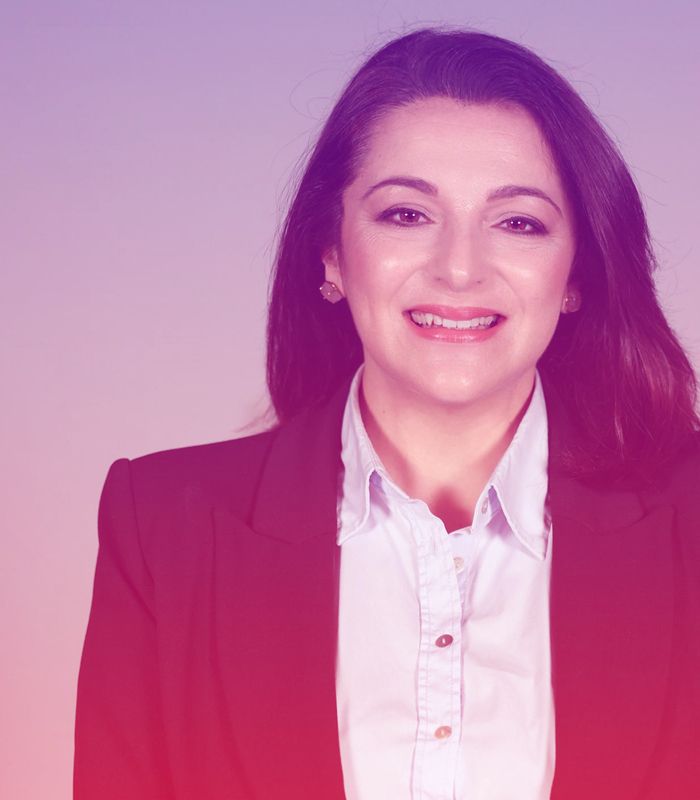
Social issues and the fight against injustice and for inclusion were always key issues for Julia Farrugia, who distinguished herself through a long career as a journalist in both audio-visual and print media. She was the first woman to ever hold an editorial role in Malta and served as Vice-President of the Maltese Institute of Journalists. She covered key issues not only in Malta but also abroad, including events such as the aftermath of the devastating tsunami that had hit Sri Lanka in 2004. The Hon. Farrugia entered politics in 2017 and has since distinguished herself in bringing the issues she used to communicate to viewers and readers, to the attention of decision-makers within Parliament and within the Cabinet of Ministers. As Junior Minister responsible for Reforms, she spearheaded Government's efforts in addressing the scourge of human trafficking and worked to see the voices of young people streamlined into Malta's democratic processes, by piloting reforms that saw the voting age lowered to 16. Such efforts also led her to being awarded the 'Impactful Politics' prize by JCI (Junior Chamber International) Malta and being elevated to Minister. In this role, she was handed the Tourism and Consumer Affairs portfolio, navigating Malta through the difficult days following the onset of the COVID-19 pandemic, and engaging in measures to ensure that different services within the tourism sector were accessible for all. She was subsequently chosen to be the first person to head Malta's Inclusion Ministry following its creation, also being responsible for the Disability sector, while having stewardship of different fields such as Youth, Sports and the Voluntary Sector over the years. Here, Minister Farrugia tackled a holistic reform of the sector through an intersectional approach, guiding the passage of legislation through Parliament that formalised disability coordination structures and the role of the UN Convention on the Rights of Persons with Disabilities in Malta, strengthened the national equality body and modes of redress, extended hate speech and hate crimes protections to disabled people, comprehensively banned forced sterilisation, and saw to the cross-border protection of adults in situations of vulnerability. Her lived experience as a survivor of domestic and gender-based violence added impetus to her personal desire to see these changes take hold. Minister Farrugia also oversaw the adoption of Malta's first National Disability Strategy, and a political commitment to end institutionalisation in the disability sector, and shift towards community living through measures such as strengthening personal assistance and codifying it as a right, introducing a system of personal budgets, and revising Malta's disability allowance system, with assessments moving from purely medical to being guided by functional and social criteria. These measures greatly supported increased autonomy and empowerment for autistic people, as did the launch of Malta's first National Autism Strategy, following what was then Malta's largest-ever public consultation, and amendments to Malta's Autism Act, strengthening and widening the Autism Advisory Council's remit.
Biography as published in the conference record. 479 words.